
Hard Inquiry vs Soft Inquiry: How Much Do They Hurt Your Score?
Every time someone looks at your credit report, an inquiry is recorded. Some of them can nudge your score down. Others have no effect at all. Knowing the difference helps you shop for credit without unnecessary damage, which matters a lot if your score is already fragile.
Hard inquiry vs. soft inquiry
| Hard inquiry | Soft inquiry | |
|---|---|---|
| When it happens | You apply for credit (card, loan, mortgage) | You check your own credit, get prequalified, or someone reviews your file for non-lending purposes |
| Needs your permission | Yes | Not always (for example, promotional offers) |
| Can affect your score | Yes, usually slightly | No |
| Visible to lenders | Yes | Usually only to you |
| Stays on your report | About 2 years | Up to about 2 years, but not counted |
Common hard inquiries
- Credit card applications
- Auto loans, mortgages, personal loans, student loans
- Some apartment applications and utility deposits, depending on the company
- Requests for a credit limit increase, if the issuer pulls your credit
Common soft inquiries
- Checking your own credit reports or scores
- Prequalification or preapproval checks
- Existing creditors reviewing your account
- Employers running a background check (with your permission)
- Insurance quotes, in many cases
How much does a hard inquiry hurt?
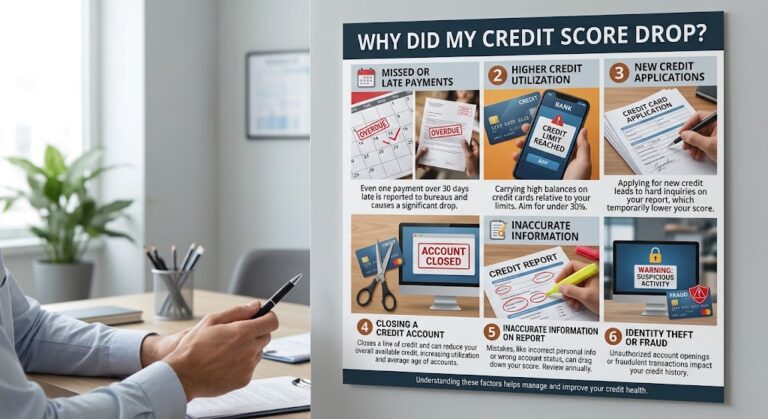
For most people, the impact is small: often only a few points, and sometimes none. The effect matters more when you have a thin credit file, because there’s less other data to balance it out. New credit accounts for roughly 10% of a FICO score, and inquiries are only part of that category. [VERIFY] because exact effects vary by model and profile.
FICO generally counts inquiries in the score for 12 months, while they remain on the report for 2 years.
Rate shopping: multiple inquiries, one hit
Scoring models understand that people compare offers for major loans. FICO typically treats multiple inquiries for the same type of loan (auto, mortgage, or student loan) within a set window as a single inquiry. The window has been reported as 14 days in older models and up to 45 days in newer ones, and VantageScore uses a shorter window. [VERIFY]
Important: This grouping generally does not apply to credit card applications. Several card applications in a short time will likely each count.
Smart habits for credit builders
- Prequalify first. Many issuers offer prequalification tools that use a soft pull and show whether you’re likely to be approved.
- Apply for one product at a time. Wait several months before the next application.
- Compare loans in a tight window if you’re shopping for an auto or mortgage loan.
- Don’t apply just for rewards or store discounts when rebuilding.
- Check your report for inquiries you don’t recognize. They can signal identity theft. (What to do after ID theft)
Can you remove a hard inquiry?
Inquiries you authorized are accurate and generally can’t be removed. Unauthorized inquiries can be disputed with the bureau. (How to dispute)
FAQ
Does prequalifying hurt my credit? Generally no, since it uses a soft inquiry. Read the fine print to confirm.
Do inquiries hurt more when your score is low? They can, but for most people the effect is modest and fades within months.
How many inquiries is too many? There’s no fixed number. Several within a few months can look risky, especially for card applications.
This article is for general education and is not financial advice.