
How Much Will My Credit Score Increase After Paying Off Debt?
Paying off debt is almost always a smart financial move, but it doesn’t always translate into a big score jump. Sometimes it helps a lot. Sometimes the score barely moves, and occasionally it dips briefly. The reason is that scoring models care about what kind of debt you’re paying and how it was reported.
No one can tell you exactly how many points you’ll gain. Anyone who promises a specific number is guessing.
It depends on the type of debt
| Type of debt | Likely effect of paying it off |
|---|---|
| Credit card balances | Often the most noticeable improvement, because utilization falls |
| Installment loans (auto, personal, student) | Usually small; the account closes and a brief dip is possible |
| Collection accounts | Depends on the scoring model; some ignore paid collections, older ones don’t |
| Past-due accounts | Bringing them current stops further damage |
| Charged-off accounts | Paying may not remove the mark but can matter for lenders and newer models |
Credit cards: the biggest lever
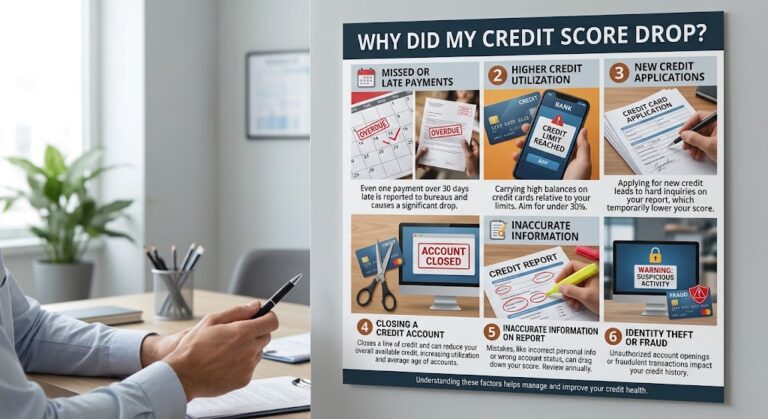
Since utilization makes up much of the «amounts owed» category, lowering it can move a score quickly. For example, someone going from 85% utilization to around 20% may see a meaningful improvement within one or two billing cycles. The size of the change depends on the rest of the profile. [VERIFY] and avoid quoting specific point ranges.
Tips:
- Target the cards closest to their limits first.
- Pay before the statement date so the lower balance is reported.
- Keep the cards open after paying them down. (Why)
Installment loans: don’t expect a jump
Paying off an auto loan or personal loan is good for your finances, but the score effect is usually modest. Once the loan is closed, you may lose an active on-time account. The closed account typically stays on your report for years and continues to help your history.
Collections and charge-offs
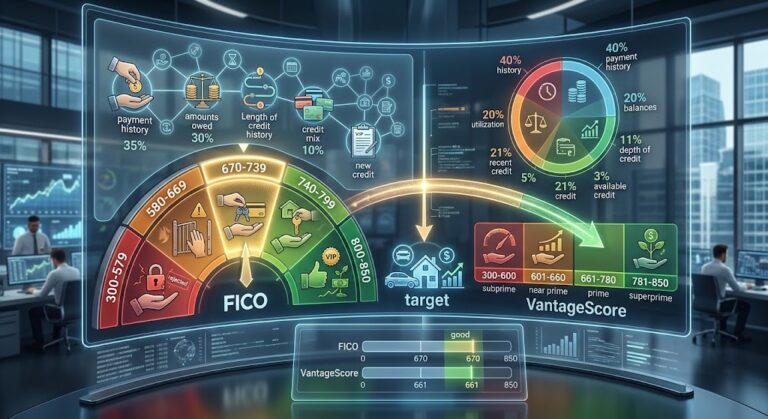
Whether paying helps your score depends on the model. Newer FICO and VantageScore versions generally disregard paid collections, while older versions still count them. Many lenders, especially mortgage lenders, may still use older models. [VERIFY] the current landscape before publishing. A paid collection may also be treated more favorably in manual underwriting. (After collections · Pay for delete vs. settling)
Why your score may dip after paying off a loan
- The account closes, which can shorten your active account mix.
- You lose a recently updated account.
- Your credit mix becomes less diverse.
The dip is usually small and temporary.
How to see the real impact
- Note your score and utilization before you pay.
- Wait for the next reporting cycle, usually within 30–45 days.
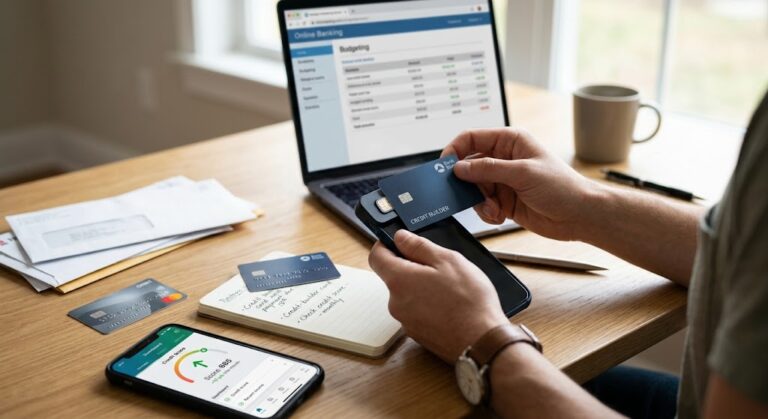
- Compare the same score from the same provider.
- Check that the balance and status are updated on all three reports.
What to do if you can’t pay everything
Focus on high-utilization cards first, keep all accounts current, and avoid closing accounts. If you’re overwhelmed, a nonprofit credit counselor can help you build a plan. (Debt consolidation options)
FAQ
Will my score go up right away? It updates when the creditor reports the new balance, typically once a month.
Is it bad to close a card after paying it off? Often yes, since it removes available credit and can hurt utilization and age.
Should I pay off a collection before applying for a mortgage? Talk to your lender first, as their rules vary.
This article is for general education and is not financial advice.